
Care & Maintenance
Proper care and maintenance help preserve the beauty, performance, and longevity of your countertop surfaces.
Granite
Cleaning Recommendations
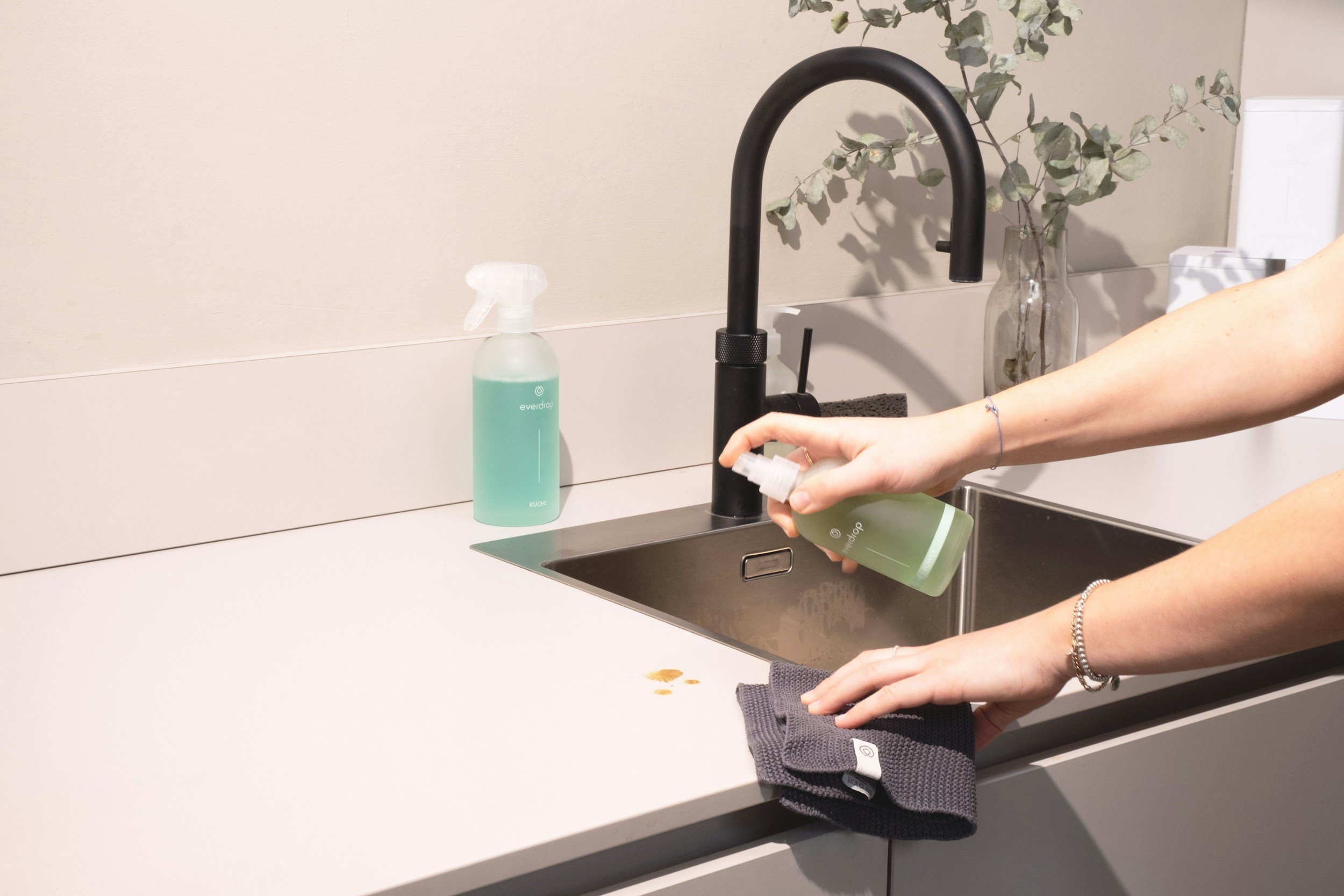
FCM recommends that you clean your stone with a neutral pH cleaner specifically designed for natural stone. A mild dishwashing detergent and warm water can also be effective. Finish with a soft cloth for best results. Glass cleaners, acidic-based cleaners such as lemon or vinegar, scouring powders and other harsh chemicals can cause permanent damage such as pitting and may remove the complimentary sealer.
-
✅DO protect countertop surface with coasters, trivets, placemats and cutting boards.
✅DO clean surfaces with mild detergent or non-abrasive household products such as "Soft Scrub Liquid Gel".
✅DO thoroughly rinse and dry the surface after cleaning with soap.
✅DO blot up spills immediately and rinse the area with clean water.
-
🚫DON'T place hot pots, crock pots, electric frying pans, etc. directly on your quartz tops.
🚫DON’T drag items across the surface that may scratch the top.
🚫DON’T cut directly on your tops (use a cutting board).
🚫DON’T use harsh dry abrasives, harsh chemicals, bleach, ammonia, oven cleaners, paint removers, oil soaps, drain products, vinegar, or lemon juice.
🚫DON’T mix bleach and ammonia as a cleaner; this combination creates a toxic gas.
-
For initial protection, FCM provides a complimentary sealer as part of our natural stone countertop installation at no charge. This impregnating sealer is not permanent. Stains may occur even when sealed, so clean spills as soon as they occur to minimize stains. FCM recommends re-sealing your natural stone countertops every 1 – 2 years.
Marble
Cleaning Recommendations
Marble countertops are a timeless natural stone surface known for their elegance, but they require attentive care to maintain their appearance. As a calcium-based stone, marble is more sensitive to acidic substances and can be prone to staining or etching if not properly protected. Routine cleaning with gentle, non-acidic products and prompt cleanup of spills are essential. Periodic sealing and simple habits—like using coasters, trivets, and cutting boards—can help preserve the surface and extend its lifespan.
-
✅DO clean regularly with a mild cleaner: use a neutral cleaner, stone-safe product, or mild dish soap with warm water.
✅DO wipe spills immediately: blot liquids like wine, coffee, or citrus juice to help prevent staining and etching.
✅DO use soft cloths for cleaning and drying: rinse thoroughly and dry with a soft cloth to avoid streaks and residue.
✅DO use coasters under glasses: this is especially important for beverages containing alcohol or citrus.
✅DO use trivets or hot pads: placing protection under hot items helps preserve the surface finish.
✅DO keep the surface free of grit and debris: removing dust and particles helps prevent scratching.
-
🚫DON'T use acidic or harsh cleaners: vinegar, lemon, and other acids can etch and damage marble surfaces.
🚫DON'T use abrasive scrubbers or powders: these can scratch the surface and dull the finish.
🚫DON'T let spills sit: standing liquids can absorb into the stone and lead to staining or etching.
🚫DON'T use excessive soap or cleaner: too much product can leave a residue or streaky film.
🚫DON'T cut directly on the surface: knives can scratch and compromise the polished finish.
🚫DON'T place heavy or sharp objects on edges: impact can cause chipping, especially along vulnerable edges.
-
For initial protection, FCM provides a complimentary sealer as part of our marble countertop installation at no charge. This impregnating sealer is not permanent. Stains may occur even when sealed, so clean spills as soon as they occur to minimize stains. FCM recommends re-sealing your marble countertops every year.
Quartzite
Cleaning Recommendations
Quartzite countertops are a durable natural stone surface valued for their strength and resistance to everyday wear. Formed from quartz-rich sandstone, they tend to be harder and more resistant to scratching than many other materials. While they can handle exposure to many common kitchen substances, proper care is still important. Routine cleaning with gentle products, prompt attention to spills, and occasional sealing can help maintain their appearance and long-term performance.
-
✅DO clean regularly with a mild cleaner: use a neutral cleaner, stone-safe product, or mild dish soap with warm water.
✅DO wipe spills promptly: blot liquids to help prevent potential staining or residue buildup.
✅DO use soft cloths for cleaning and drying: rinse thoroughly and dry with a soft cloth for best results.
✅DO use coasters under glasses: this helps protect the surface from moisture and beverage residue.
✅DO use trivets or hot pads: placing protection under hot items helps maintain the surface over time.
✅DO keep the surface free of grit and debris: removing particles helps prevent scratching, even on harder stones.
-
🚫DON'T use harsh or acidic cleaners: although more resistant than marble, strong acids and chemicals can still affect the surface.
🚫DON’T use abrasive scrubbers or powders: these can scratch or dull the finish over time.
🚫DON’T allow spills to sit for extended periods: prolonged exposure can lead to staining or residue.
🚫DON’T use excessive soap or cleaning product: buildup can leave a film or streaks on the surface.
🚫DON’T cut directly on the surface: cutting can damage both the stone finish and your knives.
🚫DON’T place heavy or sharp objects directly on edges: impact may cause chipping, especially along edges and corners.
-
For initial protection, FCM provides a complimentary sealer as part of our quartzite countertop installation at no charge. This impregnating sealer is not permanent. Stains may occur even when sealed, so clean spills as soon as they occur to minimize stains. FCM recommends re-sealing your quartzite countertops every year.
Quartz
Cleaning Recommendations
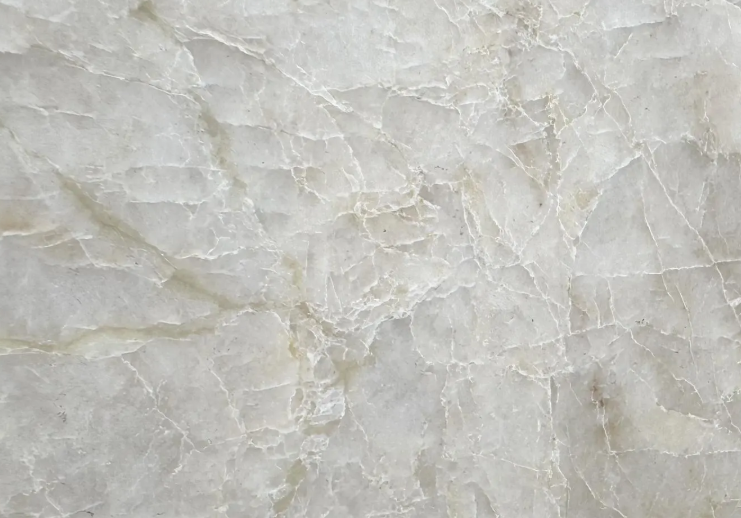
Quartz countertops should be cleaned with a neutral pH cleaner specifically designed for quartz, or with mild dish soap and warm water, followed by drying with a soft cloth for best results. Avoid glass cleaners, acidic products like lemon or vinegar, and abrasive cleaners, as they can cause permanent damage. Honed or textured finishes may require more frequent maintenance, as marks such as fingerprints and metal residue are more visible and typically not covered by manufacturer warranties. Always refer to your manufacturer’s guidelines for specific care instructions.
-
✅DO clean regularly with a mild cleaner: use a soft cloth with warm water and a gentle household cleaner or dish soap.
✅DO wipe spills promptly: cleaning spills quickly helps maintain the surface and prevent residue buildup.
✅DO use soft cloths for cleaning and drying: this helps avoid streaking and keeps the surface looking polished.
✅DO use coasters under glasses: helps prevent moisture rings and surface buildup.
✅DO use trivets or hot pads: placing protection under hot items helps preserve the surface over time.
✅DO follow manufacturer care recommendations: quartz surfaces may vary slightly depending on composition and finish.
-
🚫DON'T use harsh or highly alkaline cleaners: strong chemicals can affect the resin components in quartz surfaces.
🚫DON’T use abrasive scrubbers or powders: these can dull or scratch the surface finish.
🚫DON’T expose the surface to excessive heat: direct heat from cookware can damage or discolor the resin binder.
🚫DON’T allow spills to sit for long periods: prolonged exposure may lead to buildup or potential staining.
🚫DON’T cut directly on the surface: cutting can damage the finish and dull knives.
🚫DON’T place heavy or sharp objects directly on edges: impact can cause chipping along edges or corners.
-
Many man-made countertop brands are available including Silestone, Viatera, Corian Quartz, Cambria and others. These engineered products consist of approximately 93% quartz, which is one of the most common minerals found in the earth’s crust. The other 7% is a mixture of polymer resins and coloring. This combination makes quartz countertops highly dense, practically non-porous, and resistant to cracks, scratches, and stains. Engineered quartz products are tough, but they are not indestructible. Proper care is required.
Porcelain + Ultracompact
Cleaning Recommendations
Porcelain countertops are a dense, man-made surface valued for their durability and resistance to heat, scratches, and everyday wear. Often grouped with ultracompact or sintered materials, they are manufactured under high temperatures to create a strong, low-porosity surface. This structure makes porcelain easy to clean and maintain in most residential applications. Routine care with mild cleaning products, prompt attention to spills, and basic protective practices can help preserve the surface’s appearance and ensure long-term performance.
-
✅DO clean regularly with a mild cleaner: use warm water and a gentle cleaner to maintain the surface.
✅DO wipe spills promptly: quick cleanup helps maintain a clean and consistent appearance.
✅DO use soft cloths for cleaning and drying: helps preserve the finish and avoid streaking.
✅DO use trivets or hot pads when possible: added protection supports long-term durability..
✅DO use trivets or hot pads: placing protection under hot items helps preserve the surface over time.
✅DO follow manufacturer care recommendations: quartz surfaces may vary slightly depending on composition and finish.
-
🚫DON'T use abrasive cleaners or pads: these can gradually wear down or dull the surface.
🚫DON’T allow spills to sit for long periods: residue buildup may occur if not addressed
🚫DON’T use excessive cleaning products: overuse may leave streaks or film.
🚫DON’T cut directly on the surface: cutting can impact knives and surface finish.
🚫DON’T place heavy or sharp objects directly on edges: impact can cause chipping along edges or corners.
-
Porcelain and ultracompact materials are manufactured to be very dense and low-porosity, which means liquids and contaminants have little to no ability to penetrate the surface. Because of this, sealers are generally not required to protect against staining or moisture absorption, unlike some natural stones. Their composition and fabrication process are specifically designed to deliver low maintenance performance with simple cleaning routines.
Solid Surface
Cleaning Recommendations
Solid surface countertops are an engineered material known for their seamless appearance, versatility, and low-maintenance performance. These surfaces are nonporous, which helps resist stains, bacteria, and moisture, making them easy to clean in everyday use. Solid surface is also repairable, allowing minor scratches or damage to be refinished over time. Routine cleaning with mild products, along with basic care practices, helps maintain the surface’s appearance and ensures long-term durability in residential applications.
-
✅DO clean regularly with a mild cleaner: use warm water, a soft cloth, and a gentle household cleaner or dish soap.
✅DO wipe spills promptly: quick cleanup helps keep the surface looking consistent and clean.
✅DO use soft cloths or non-abrasive pads: helps maintain the finish and avoid unnecessary wear.
✅DO use trivets or hot pads: placing protection under hot items helps prevent heat damage.
✅DO follow manufacturer care recommendations: maintenance practices may vary slightly depending on finish and brand.
✅DO keep the surface free of debris: removing grit and particles helps maintain the finish over time.
-
🚫DON'T use harsh or highly abrasive cleaners: these can dull or damage the finish.
🚫DON’T expose the surface to excessive heat: direct heat can cause discoloration or damage.
🚫DON’T allow spills to sit for extended periods: buildup may occur if not cleaned promptly.
🚫DON’T use excessive cleaning products: overuse can leave residue or streaks.
🚫DON’T cut directly on the surface: cutting can damage the finish and dull knives.
🚫DON’T place heavy or sharp objects directly on edges: impact can cause chipping along edges or corners.
-
Because the material is nonporous, it resists liquid absorption and staining without the need for a sealer. Routine cleaning with mild products is typically sufficient to maintain performance and appearance over time.